
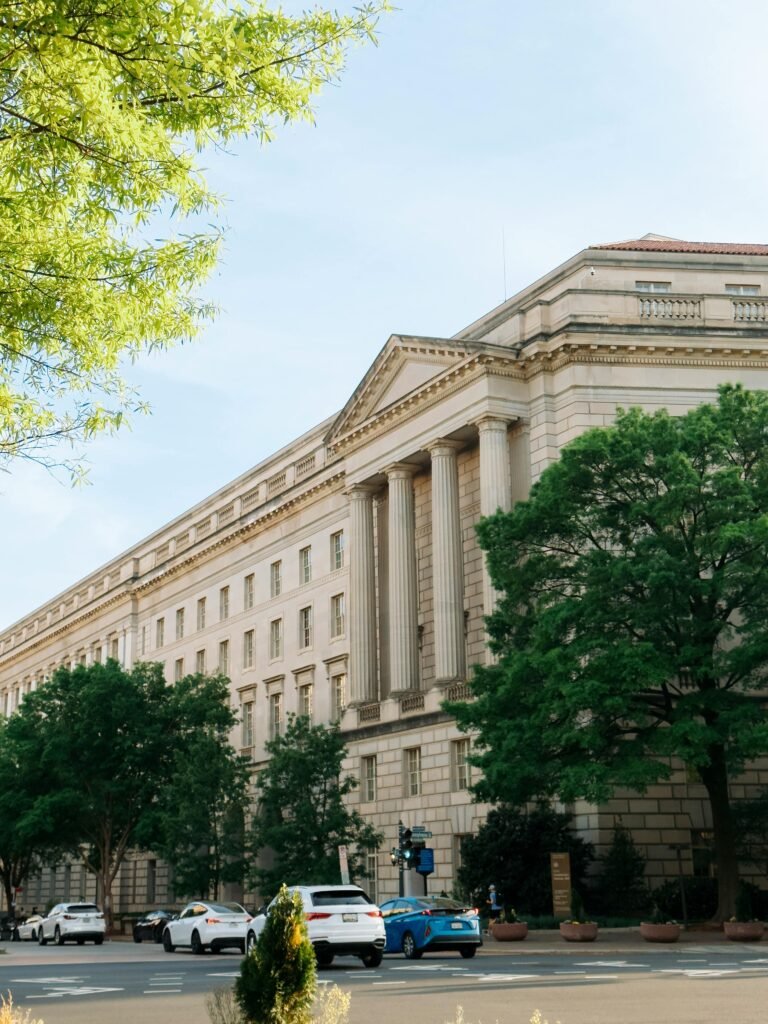
A confidential US intelligence report just landed on Gen. Dan Caine’s desk, and the Pentagon does not like what it says. China is not sitting out the Iran war. Beijing is gaining ground from it. Across weapons sales, oil supply, diplomatic narrative, and global perception, the report concludes that the United States is hemorrhaging strategic position while Xi Jinping moves chess pieces in plain sight.
The assessment landed this week, and the Washington Post got hold of it almost immediately. Honestly, I have read enough defense leaks to know when one reads as a routine quarterly update and when one reads as a slow-motion alarm bell. This one reads as an alarm bell.
Here is what the report says, why it lands now, and what it means for the rest of 2026.
The Core Finding
The intelligence community’s central claim is blunt. Since the US and Israel kicked off the Iran war on February 28, China has acted to maximize its advantage in every domain that matters. Military. Economic. Diplomatic. Narrative. None of this is accidental. Beijing planned for a regional war it could exploit, and it built the supply chains, energy contracts, and propaganda infrastructure to capitalize the moment the chance came.
What surprised even the Joint Chiefs is the speed. Most great-power moves take quarters or years to show up in measurable ways. China’s repositioning is showing up in weeks. That tells you Beijing was already pre-staged for this moment, possibly before Washington committed to the war.
Weapons Sales To US Allies, Made In China
Here is the part of the report that should make every Gulf monarchy uncomfortable. Multiple Persian Gulf countries that are formally US allies have been buying Chinese air-defense systems, drones, and missile components during the war. The reason is straightforward. Their bases and oil infrastructure have been getting hammered by Iranian missile and drone attacks, and US-made systems have been either backlogged, rationed, or simply too expensive to scale fast.
So Saudi Arabia, the UAE, and several smaller Gulf partners have quietly placed orders with Chinese state-owned defense conglomerates. The volume is modest by US standards but enormous as a signal. American allies are buying Chinese weapons in real time, in the middle of a war Washington started. That is the kind of headline Beijing has been chasing for a decade, and the US just handed it over.
The Strait Of Hormuz Closure Was A Gift To China
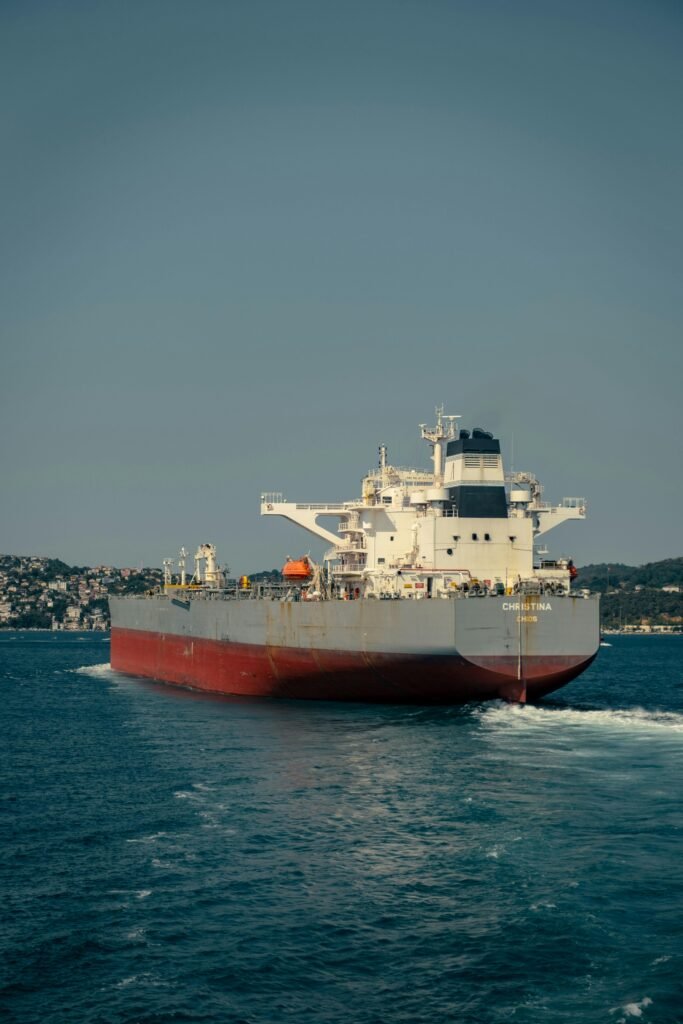
When Iran closed the Strait of Hormuz in retaliation for the initial US-Israeli strikes, one-fifth of the world’s oil and gas supply stopped moving overnight. Countries that depend on Gulf crude scrambled. Japan, South Korea, India, most of Europe. Prices spiked, contracts shattered, and a whole lot of energy ministers picked up the phone looking for alternatives.
Beijing answered. China rerouted its own Russian and Central Asian pipeline crude to fill some of the gap, and where it could not supply directly, it brokered deals with Venezuelan and Angolan suppliers using yuan-denominated contracts. The intelligence report notes that the share of global oil trade settled in non-dollar currencies jumped to roughly 18 percent in March, up from around 11 percent at the start of the year. That is a structural shift, not a blip.
The Information War That Washington Is Not Showing Up For
The most uncomfortable section of the report is the chapter on narrative. China has been hammering global audiences with the line that the US-Israeli war on Iran is illegal, reckless, and proof that the rules-based international order is a Washington marketing slogan. Beijing’s diplomats have stayed remarkably on message. So have the state-affiliated outlets pushing translated content into Africa, Latin America, and Southeast Asia.
The intelligence report cites polling data from 22 non-aligned countries since February. Favorability ratings for the United States have dropped between 8 and 19 percentage points across that set. China’s ratings are flat to slightly up. The US is not losing the argument in those capitals. The US is not having the argument at all because nobody is showing up.
The Taiwan Worry
Here is the part of the report that the Joint Chiefs are quietly losing sleep over. The Iran war is draining American missile stockpiles, particularly Patriot interceptors and Tomahawk land-attack cruise missiles. Some of those munitions take 18 to 24 months to replace at current production rates. If a Taiwan crisis broke out in late 2026 or early 2027, the US would be entering it with depleted magazines and a stretched logistics tail.
That is not a hypothetical Pentagon planners are dismissing. China watched Russia burn through artillery shells in Ukraine and learned the lesson. Beijing now has a clearer read on how fast American precision-weapon inventories can be drawn down, and what the recovery timeline looks like. Trump’s current visit to Beijing is happening in the shadow of that math, whether the political team is briefed on it or not.
What The White House Is Saying
Officially, not much. The National Security Council issued a statement Wednesday afternoon calling the leak premature and incomplete, and emphasizing that the United States remains the indispensable security guarantor in the Indo-Pacific. Privately, two senior officials told reporters off the record that the report’s findings were broadly consistent with their own assessments, but that the White House disputes the framing.
The dispute is mostly about whether the situation is a temporary cost of pressing Iran on its nuclear program, or a strategic loss the US can no longer reverse. The intelligence community leans toward the second framing. The political team leans hard toward the first. That gap is going to define how the White House responds over the next 60 days.
Why This Matters
This is the thing about great-power competition. You can win every battle and still lose the war. The US is winning kinetic engagements with Iran. American airpower is supreme, Israeli air defense is working, and Iranian leadership is fractured. But while Washington is winning the war in Tehran, Beijing is rewriting the global energy-trade map, building loyal customer bases in the Gulf, and converting non-aligned states into China-leaning ones one phone call at a time.
If the next five years see a US-China crisis over Taiwan or the South China Sea, the diplomatic backdrop the Iran war is shaping right now will matter more than any single weapons system. Friends, customers, narrative momentum. That is what China is stockpiling. The US is stockpiling debt and burned missiles.
What Comes Next
Two things to watch in the next month. First, whether Congress demands declassification of any portion of the report. There is already bipartisan noise from the Senate Intelligence Committee about wanting unclassified findings. Mark Warner and Tom Cotton rarely agree on anything, but both have signaled interest in a public version.
Second, whether the administration adjusts its Iran strategy in response. The hawks in Trump’s circle, led by Mike Waltz and a quietly influential bench of NSC staff, are pushing for harder escalation against Tehran. The skeptics, working through Vance’s foreign-policy team, are arguing that every additional week of war is a gift to China. Trump himself has not signaled which side he is leaning toward, and the recent Iran response to his peace proposal made the decision more politically loaded.
USABlaze Takeaway
My read on this is straightforward. The intelligence community is doing its job, which is telling power what power does not want to hear. The Pentagon is paying attention. The political leadership is dithering. And every additional week the Iran war drags on, the cost of running it shows up not on a battlefield in the Persian Gulf but on a balance sheet in Beijing.
If you care about American power in 2030, you should care less about the immediate outcome in Tehran and more about what 22 non-aligned capitals think about the US right now. That is the war that compounds. That is the one we are losing.
And if that sounds bleak, here is the silver lining. Reports like this one exist because the system still works. Analysts who see problems still write them down. Generals still read them. The question for the next 60 days is whether anyone in the West Wing acts on them.
Sources: Washington Post, CBS News, CNN, WaPo (China AI), HS Newswire.
By The USABlaze Editorial Desk
Related Stories From USABlaze
- US Iran Ceasefire Averts Immediate Conflict as Region Stands on Edge of Wider War
- Saudi Aramco Profit Jumps 26% as Iran War Drives Oil Demand
- China’s ShengShu Raises $293 Million as Global AI Race Shifts Beyond Chatbots to Real-World Intelligence Systems
- Arcadia Mayor Eileen Wang to Plead Guilty as Illegal China Agent