
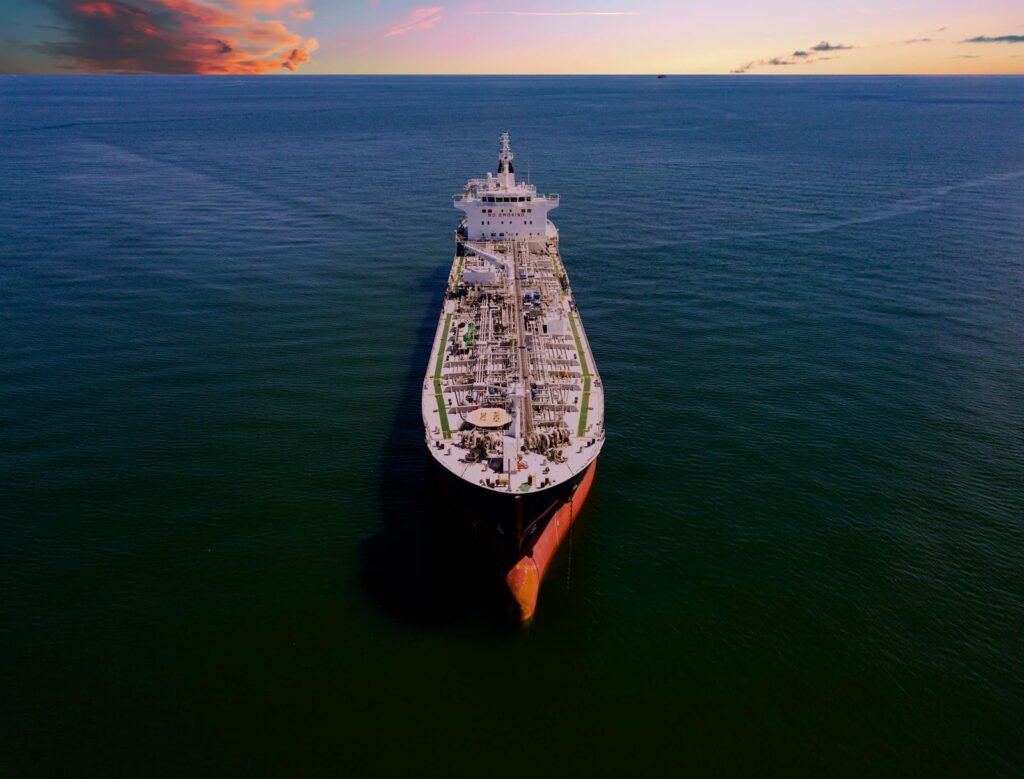
A Chinese operated “floating armory” was sitting at anchor 38 nautical miles northeast of Fujairah on Thursday when armed personnel boarded it and pointed it toward Iranian waters. The ship, the Hui Chuan, was Honduras flagged. The cargo, it turns out, was weapons.
That’s the short version of an incident the UK Maritime Trade Operations agency confirmed Thursday, May 15. The longer version, with the floating armory detail that emerged Friday, is what should worry anyone watching oil markets, shipping insurance, or the slow burn war between the US and Iran that started in February.
The Strait of Hormuz is back in play. The question is whether this is one more skirmish, or the first move in a wider closure.
What the Floating Armory Detail Changes
UKMTO put out a quiet alert Thursday. A vessel at anchor near the UAE coast had been “boarded by unauthorized personnel” and was “now bound for Iranian Territorial Waters.” That’s bureaucrat language for: armed people took a ship and are sailing it to Iran.
Fox News reported Friday, citing risk management firm Vanguard, that the Hui Chuan was operating as a “floating armory.” That means the vessel stored weapons used by private security teams who board commercial ships transiting the Strait to defend against pirates and Iranian boarding parties. Yahoo News carried the same Vanguard sourcing.
Honduras flagged means the ship is registered under a flag of convenience. That’s normal in modern shipping. But the floating armory function makes this a different kind of seizure. Iran didn’t just grab a random commercial vessel. Iran grabbed the weapons cache that defended other commercial vessels from Iran.
If that holds up, this is escalation, not noise.
The Bigger Pattern Since February
Here’s why this isn’t an isolated incident.
The US and Israel launched air strikes against Iranian nuclear and military sites on February 28, 2026. Iran responded by tightening its grip on the Strait of Hormuz, the choke point between the Persian Gulf and the Gulf of Oman. About a third of the world’s seaborne oil moves through that strip of water on a normal day. Lately the days haven’t been normal.
In April, the IRGC seized the Panamanian flagged MSC Francesca and the Epaminondes in the Strait itself. A separate incident saw an Iranian gunboat fire on a container ship off the Omani coast. On May 8, Iran seized a different tanker, the Ocean Koi, in the Gulf of Oman, accusing it of trying to disrupt Iranian oil exports.
The Wikipedia summary of the broader crisis tracks at least four named vessel seizures since February 28, plus a handful of unconfirmed reports.
The Hui Chuan grab fits the rhythm. Almost weekly. Different ships. Same end of the map. But the floating armory detail is the first time Iran has explicitly targeted the support infrastructure for private maritime security, not just the cargo or the operators.
Why Boarding Anchored Ships Is a Tactic, Not a Coincidence
If you wanted to send a message without shooting, this is how you do it.
Iran can’t openly close the Strait without inviting a US Navy response. The Fifth Fleet sits in Bahrain for exactly that reason. But Iran can do something almost as effective: make insurers nervous.
Every time a ship gets boarded in or near the Strait, marine insurance premiums spike. War risk surcharges climb. Some routes get unprofitable. Some shipping companies reroute around Africa or just refuse to load. The Strait stays “open” but the traffic moving through it thins out.
That’s economic strangulation without a formal blockade. It’s been Iran’s playbook for two decades. The pace just picked up.
The Oil Market Already Priced It
Friday’s market action tells you traders aren’t waiting for confirmation. Brent crude futures for July rose 1.49% to $107.30 per barrel. West Texas Intermediate for June gained 1.55% to $102.74. The 10 year Treasury yield jumped nine basis points to 4.55%, a one year high, on inflation fears tied to higher oil.
The S&P 500 fell 1.24% on Friday. The Nasdaq dropped 1.54%. The Dow shed 537 points. The Star Friday coverage connected the Hui Chuan seizure directly to the oil futures spike traders priced in.
Markets don’t move that hard on one anchored research vessel. They move on what the vessel implies about the next ten.
What Washington Is Saying. And Not Saying.
The Trump administration this week rejected a proposed framework that would have de escalated tensions with Iran. Trump returned from his Beijing summit with no breakthrough on coordinating with China on Iran sanctions either. The diplomatic doors are shut, or at least narrow.
The Pentagon hasn’t publicly named the Hui Chuan seizure as a casus belli. The Fifth Fleet hasn’t moved into intercept posture. Fox News live coverage noted that US officials are framing the incidents as “freedom of navigation” issues, which is the soft phrase before harder responses.
The IRGC, Iran’s Revolutionary Guard Corps, hasn’t claimed credit yet either, though their fingerprints match. The IRGC navy is the unit that handles these boardings. They have for years.
The China Operator Detail
Early reports identify the Hui Chuan as Chinese operated under the Honduras flag. That’s a complication.
Honduras flagging is normal flag of convenience cover. Chinese operation, however, puts Beijing in the diplomatic loop whether it wants to be or not. The Trump China summit just ended without a deal on Iran. Now Iran has seized a Chinese run vessel off the UAE. Xi’s government has to react publicly, even if quietly.
The diplomatic implication runs both ways. Iran may have miscalculated. Or Iran may have known exactly who the operators were and grabbed the ship anyway to send a message about who controls the Strait, regardless of which flag flies over a vessel’s stern.
Either reading is bad for everyone in the energy markets.
What to Watch Next
Three signals in the next ten days.
First, whether the Hui Chuan gets released quickly. Iran’s pattern is to hold seized vessels for weeks or months, demand concessions, then release them quietly when the political moment passes.
Second, whether oil insurance rates for Persian Gulf transit spike further. Lloyd’s of London raised war risk premiums after the Ocean Koi seizure. Another bump now would push more shipping to reroute, which tightens supply.
Third, whether the US deploys carrier strike groups closer to the Strait. The USS Gerald R. Ford and its escorts are currently positioned in the eastern Mediterranean. Moving them through Suez signals serious intent.
Why This Matters
For US drivers, the bottom line is oil. Brent at $107 means gasoline trending higher into Memorial Day weekend. Pump prices nationally are already up 22 cents from a month ago, and the Strait dynamic is the main driver. The Fed’s job gets harder if energy inflation forces another rate decision rethink.
For investors, the tech selloff Friday wasn’t just about Trump and Xi. It was about correlated risk: AI stocks running on cheap power, cheap power needing cheap oil, oil getting expensive when Hormuz hiccups. The chain has tighter links than the rally accounted for.
For the broader US-Iran picture, the Hui Chuan is a data point, not a turning point. But data points accumulate. Three months of weekly seizures is a pattern Washington can’t ignore forever.
USABlaze Takeaway
The whole reason the Strait of Hormuz matters is that it’s the world’s most lopsided trade lane. Twenty miles wide at the narrowest point. A third of seaborne oil. Iran on one side. US naval allies on the other.
Iran can’t close it. But Iran can make it expensive to use. The Hui Chuan seizure is exactly that move, executed cheaply. No shots fired. No formal escalation. Just a single research vessel taken under cover of night and pointed toward an Iranian port.
Watch oil. Watch insurance. Watch the next ship. The pattern is the story.
Sources: Fox News, Yahoo News, The Star, Fox News (live updates), Euronews.
By The USABlaze Editorial Desk
Related Stories From USABlaze
- Strait of Hormuz Crisis: Iran Allows Two Indian Gas Tankers to Sail Through Key Global Oil Route
- JD Vance and Iran Agreed to a 60-Day Roadmap in Switzerland. Here Is What That Actually Means.
- US Iran Ceasefire Averts Immediate Conflict as Region Stands on Edge of Wider War
- Trump’s 48 Hour Iran Countdown Ignites Oil Spike and Global Market Turmoil