
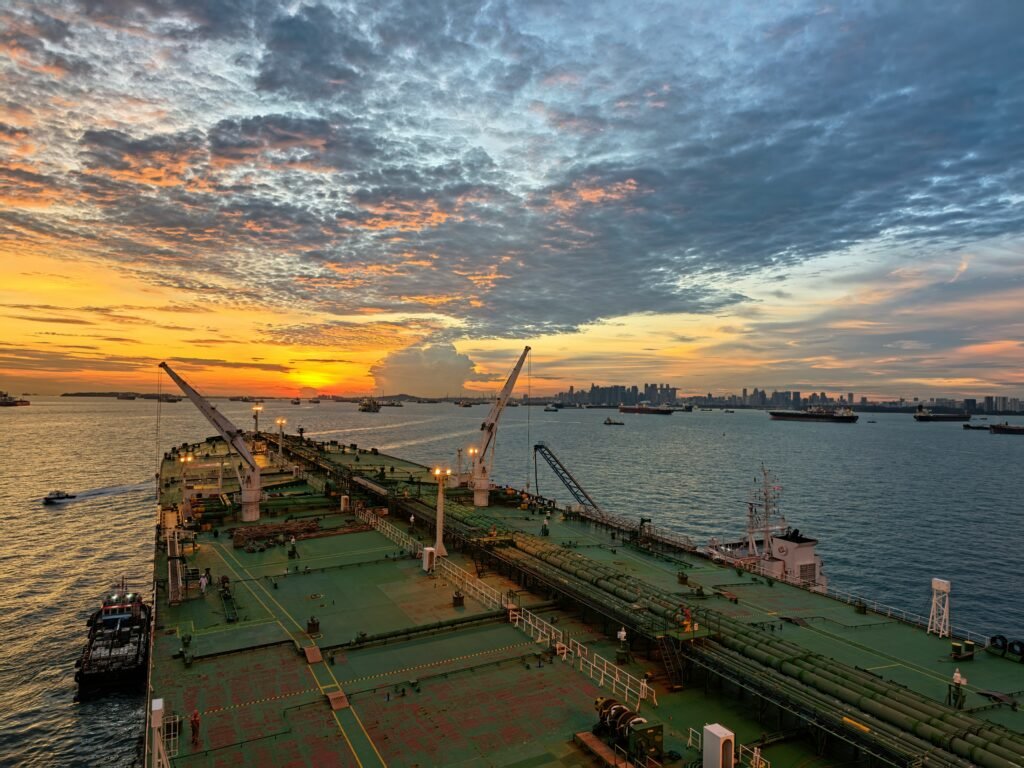
Setting The Stage
WASHINGTON, March 15, 2026 , Iran has allowed two Indian-flagged liquefied petroleum gas carriers to sail through the strategic Strait of Hormuz, a development that has drawn attention as tensions continue to affect maritime traffic in one of the world’s most important energy corridors. The Strait of Hormuz crisis has disrupted shipping routes in the Gulf region, yet the passage of the two tankers signals that some commercial movement through the waterway is continuing despite ongoing conflict.
According to Reuters, four sources with direct knowledge of the matter confirmed that Iran permitted two Indian-flagged LPG carriers to pass through the narrow strait. The ships, identified as Shivalik and Nanda Devi, were transporting liquefied petroleum gas to India and were allowed to sail despite the broader restrictions affecting maritime traffic in the area.
The move was described by sources as a rare exception at a time when hostilities and security risks have led to severe disruptions across Gulf shipping routes. The Strait of Hormuz serves as the primary gateway for energy exports from the Persian Gulf to global markets, and any restrictions on movement through the waterway have immediate implications for international energy supply chains.
The Strait of Hormuz lies between Iran and Oman and connects the Persian Gulf to the Gulf of Oman and the Arabian Sea. It is widely regarded as one of the most critical maritime chokepoints in global trade because a large share of the world’s oil and liquefied natural gas shipments passes through the narrow passage.
Data cited by Reuters shows that roughly one-fifth of global oil and gas shipments normally transit the strait each day, making it essential for energy markets in Asia, Europe, and North America.
How It Unfolded
In recent weeks, escalating conflict involving Iran and other regional actors has led to warnings for ships navigating the Gulf. Several vessels have reportedly faced attacks or disruptions, prompting shipping companies to reassess routes and insurers to raise risk assessments for vessels entering the region.
Despite these challenges, Iran has selectively permitted some ships to continue moving through the strait. The clearance given to the two Indian LPG carriers highlights how certain commercial vessels are still being allowed passage even as security concerns persist across the Gulf.
India, which imports large volumes of energy from the Middle East, has been closely monitoring the situation. The safe transit of the two LPG tankers carrying cargo bound for India provides limited reassurance for energy supply chains that rely heavily on uninterrupted shipping routes through the Strait of Hormuz.
Regional tensions have intensified since late February, when military strikes and retaliatory actions across the Middle East began affecting energy infrastructure and maritime transport routes. The conflict has increased the strategic importance of the Strait of Hormuz, drawing international attention to the potential impact on global oil markets.
Coverage from Al Jazeera has reported that maritime traffic through the Gulf region has slowed sharply as shipping companies weigh the risks of operating in an environment marked by drone attacks, missile threats, and naval patrols. The situation has also prompted several governments to closely monitor the safety of their commercial vessels navigating the region.
Ripple Effects
For India, the Strait of Hormuz is particularly important because a large portion of the country’s crude oil and liquefied petroleum gas imports pass through the waterway. Energy shipments traveling from Gulf producers to Indian ports depend heavily on uninterrupted transit through the strait.
The decision to allow the two Indian tankers to sail comes as diplomatic discussions continue among regional governments seeking to prevent a broader disruption to maritime commerce. While many vessels remain delayed or stranded near the Gulf, selective clearances such as this demonstrate that negotiations and logistical coordination remain active.
Industry analysts and shipping authorities have emphasized that even limited disruptions in the Strait of Hormuz can create ripple effects across global energy markets. The narrow waterway handles shipments from major producers such as Saudi Arabia, Iraq, Kuwait, and the United Arab Emirates, making it a vital link in the international oil supply chain.
The latest developments highlight the balance between geopolitical tensions and economic necessity. While security concerns have reduced traffic through the corridor, the continued movement of some cargo vessels underscores the global importance of maintaining access to the route.
For governments and shipping operators, the priority remains ensuring the safety of crews and vessels navigating the region. Maritime agencies and energy companies continue to monitor conditions closely while coordinating with regional authorities to maintain commercial flows where possible.
Next 30 Days
The passage of the two Indian LPG carriers illustrates how energy shipments can still move through the strait under certain circumstances even during periods of heightened tension. However, the broader situation across the Gulf remains uncertain as diplomatic efforts and military developments continue to shape the region’s security environment.
What is the Strait of Hormuz?
The Strait of Hormuz is a narrow waterway connecting the Persian Gulf to the Gulf of Oman and the Arabian Sea. It is one of the most important maritime routes for global oil and gas shipments.
Why is the Strait of Hormuz important for global energy markets?
A significant share of the world’s oil and liquefied natural gas exports travels through the strait. Disruptions in this corridor can affect global energy supply and shipping routes.
Which ships were allowed to pass through the strait?
According to Reuters, the Indian-flagged LPG carriers Shivalik and Nanda Devi were allowed to sail through the strait carrying cargo bound for India.
Why are shipping routes in the Gulf under pressure?
Regional conflict and security risks have disrupted maritime traffic in the Gulf, leading to delays and heightened safety concerns for vessels operating near the Strait of Hormuz.
Does shipping continue through the Strait of Hormuz despite tensions?
Yes. Although some vessels remain delayed due to security concerns, selective clearances such as the passage of the Indian LPG carriers indicate that certain commercial ships are still navigating the route.
Why This Matters
Strait of Hormuz Crisis matters to US readers because US foreign policy stress doesn’t stop at the border. Markets, supply chains, and security all pick up the signal.
USABlaze Takeaway
Bottom line for our readers: Strait of Hormuz Crisis is worth watching, not panicking over. We’ll update this page as new facts land.
Reported and analyzed by the USABlaze editorial team. Last updated 2026-03-14. Have a tip or correction? Send us a message or read our editorial policy.
Related Stories From USABlaze
- Iran War Global Economic Impact 2026 7 Warning Signs of Oil Price Surge Inflation Crisis and Stock Market Volatility
- Asia Stocks Rebound as Oil Prices Crash After Trump Iran Clash Sends Shockwaves Through Global Markets
- Hui Chuan Seized Off UAE: Iran Tightens the Strait of Hormuz Again
- Trump’s 48 Hour Iran Countdown Ignites Oil Spike and Global Market Turmoil