
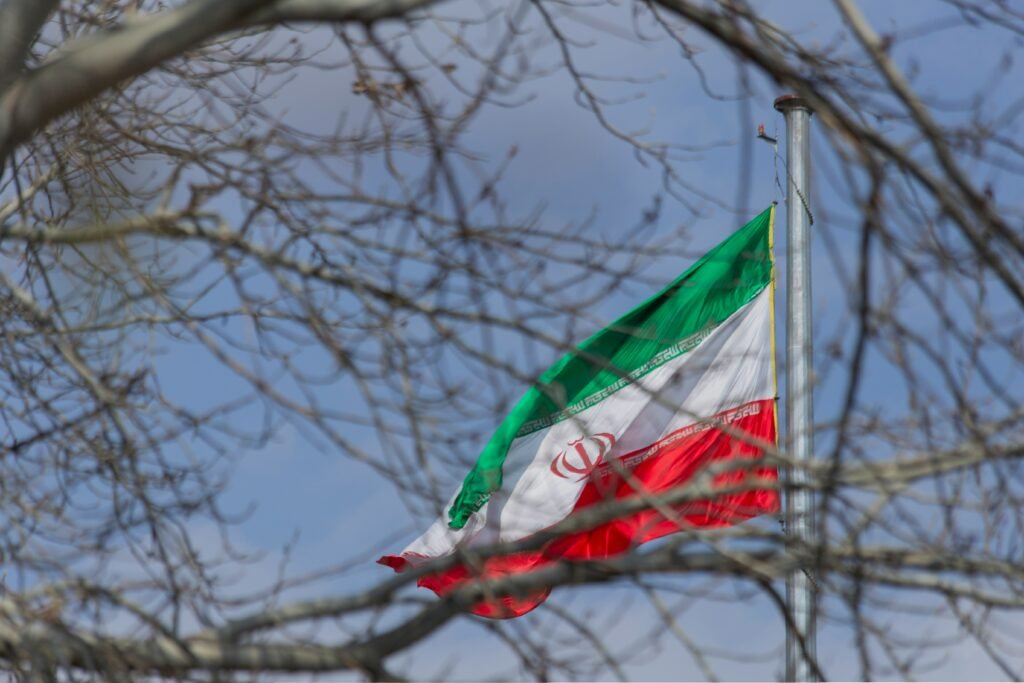
WASHINGTON The United States and Israel initiated major combat operations against the Islamic Republic of Iran on Saturday. The US Israel Attack on Iran targeted military infrastructure and nuclear facilities in Tehran and other provinces. The joint military operation has prompted retaliatory missile strikes from Iranian forces across the Middle East. President Donald Trump addressed the American public to announce the ongoing military campaign which aims to neutralize imminent security threats.
The United States Department of Defense officially named the joint mission Operation Epic Fury. The stated objectives include dismantling Iranian missile capabilities destroying naval assets and preventing the government from acquiring a nuclear weapon. Trump issued an ultimatum to Iranian military personnel offering amnesty for those who surrender and warning of severe consequences for those who resist. Al Jazeera reported that the military strikes hit significant government and military installations including the Ministry of Intelligence the Ministry of Defence the Atomic Energy Organisation of Iran and the Parchin military complex.
The situation inside the Iranian capital escalated rapidly following the initial bombardment. Explosions were reported across multiple areas including University Street and the Jomhouri district near the headquarters of the Islamic Revolutionary Guard Corps. Reuters reported that civilians were observed seeking shelter as thick plumes of smoke rose over various parts of Tehran. Following the strikes Iranian authorities began restricting internet access and mobile phone networks in multiple neighborhoods across the capital. Paramilitary Basij units were deployed to patrol downtown areas. The strikes also reached outside the capital with local media reporting explosions in Tabriz Isfahan and Lorestan province.
The status of senior Iranian leadership became a focal point immediately after the bombardment. A strike occurred near the downtown Tehran compound of Supreme Leader Ayatollah Ali Khamenei. Reuters confirmed that a senior Israeli official claimed Khamenei was killed during the military operation. However an official from the Iranian Supreme Leader office denied the claim and accused opposing forces of engaging in mental warfare. The whereabouts of the supreme leader remain unconfirmed as authorities closed roads leading to his residence. Meanwhile Iranian state media confirmed that President Masoud Pezeshkian was unharmed during the strikes.
The military intervention occurred during a sensitive period of international diplomacy. Prior to the offensive representatives were engaged in negotiations in Geneva regarding the Iranian nuclear program. Omani diplomats were mediating the discussions where Iran had reportedly agreed to zero uranium stockpiling subject to full verification by the International Atomic Energy Agency. Al Jazeera noted that Oman Foreign Minister Badr Albusaidi stated the active and serious negotiations were undermined by the sudden military escalation. He cautioned the United States against further involvement and expressed concern for the civilian population affected by the conflict.
The conflict has already resulted in significant civilian casualties within Iranian borders. Rescue workers and emergency services were deployed to a girls elementary school in the Minab region of southern Iran after the building was struck during the bombardment. Dozens of individuals were killed in the incident. Photographs and video footage from the scene showed backpacks and schoolbooks scattered among the rubble. The international community has expressed alarm over the civilian toll with European Union officials calling for the protection of noncombatants and adherence to international law amidst the perilous conditions.
Iranian forces initiated a coordinated military response targeting allied and American military installations across the region. According to Al Jazeera Iranian missiles were launched at the Al Udeid airbase in Qatar the Al Salem airbase in Kuwait and the Al Dhafra airbase in the United Arab Emirates. Furthermore the United States Fifth Fleet headquarters located in Bahrain was targeted. Sirens also sounded across northern Israel as incoming projectiles triggered air defense systems.
The retaliatory strikes have drawn neighboring Arab states directly into the conflict. Qatar officially condemned the Iranian missile attacks characterizing them as a violation of national sovereignty. The United Arab Emirates also issued a condemnation warning of severe consequences following reports that a Pakistani national was killed by falling debris. Saudi Arabia experienced secondary impacts as explosions were reported near Riyadh indicating that regional air defense networks were intercepting projectiles.
The escalation of hostilities has generated immediate consequences for global energy markets and international trade. The Persian Gulf and the Strait of Hormuz serve as critical maritime routes for global crude oil exports. Reuters observed that several major oil companies and global trading firms suspended all shipments through the Strait of Hormuz shortly after the initial military strikes. Consequently Brent crude oil prices surged trading near 73 dollars per barrel which marks the highest level recorded since July. Financial markets are closely monitoring the situation due to the immediate disruption of global supply chains.
US Israel Attack on Iran and the broader regional impact
The strategic implications of the military campaign extend across the entire Middle East region. A United States official informed Reuters that the administration is preparing for a multiday operation indicating an extended bombardment. The United States has recently completed a massive military buildup in the Middle East assembling a large fleet of fighter jets and warships. The deployment represents the most significant American military presence in the region since the Iraq War highlighting the scale of the current offensive.
The joint military campaign marks a definitive shift in Middle Eastern geopolitical dynamics. The destruction of military infrastructure in Tehran and the subsequent retaliatory strikes on American and allied bases have created a highly volatile security environment. As global energy markets react to disrupted shipping routes and diplomatic channels remain severed the international community faces the immediate challenge of containing an expanding regional war. International authorities are currently assessing the full extent of the structural damage to Iranian defense networks and the resilience of global supply chains. The unfolding events will thoroughly test the diplomatic and military readiness of allied nations operating in the Persian Gulf.
Frequently Asked Questions
What locations were targeted during the initial military strikes
The joint military operation targeted significant government and military installations including the Ministry of Intelligence the Ministry of Defence the Atomic Energy Organisation of Iran and the Parchin military complex.
How have global energy markets responded to the conflict
Following the strikes several major oil companies suspended shipments through the Strait of Hormuz causing Brent crude oil prices to surge to their highest levels since July.
What was the Iranian military response to the bombardment
Iranian forces launched retaliatory missiles at several locations linked to United States military operations including airbases in Qatar Kuwait the United Arab Emirates and the Fifth Fleet headquarters in Bahrain.
Why did diplomats express concern over the military action
Omani diplomats stated that the sudden military escalation undermined active and serious negotiations occurring in Geneva regarding the regulation and verification of the Iranian nuclear program.