
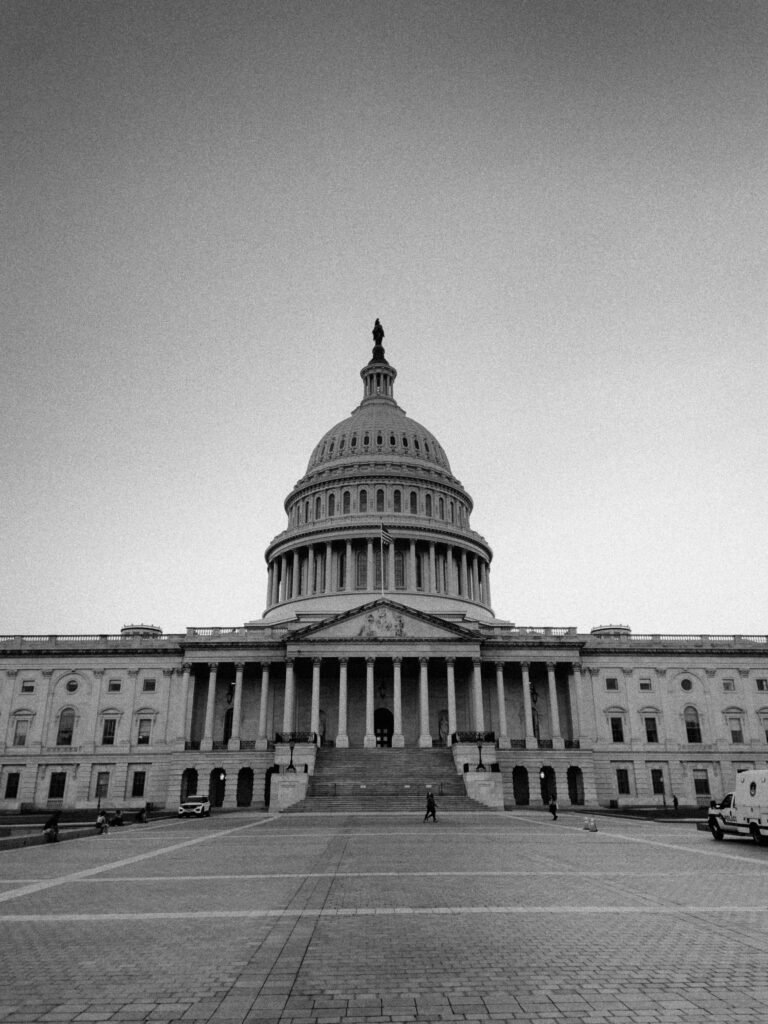
WASHINGTON — April 4, 2026 — The Trump $1.5 trillion defense budget 2027 proposal has ignited a major political debate in the United States, as lawmakers evaluate what could become the largest military spending plan in modern history. The proposal represents a sharp escalation in defense funding and signals a significant shift in national priorities at a time when both global tensions and domestic economic concerns are rising.
The plan outlines approximately $1.5 trillion in defense spending for fiscal year 2027, a major increase from the roughly $900 billion allocated in 2026. According to reporting from Reuters, the budget focuses on strengthening missile defense systems, expanding naval power, enhancing nuclear capabilities, and accelerating investments in artificial intelligence and next-generation military technologies.
This level of increase is not typical outside periods of active large-scale war. The proposal reflects a strategic decision to prepare for long-term geopolitical competition rather than immediate conflict. U.S. policymakers have pointed to increasing military developments in China, ongoing instability in regions involving Iran and Eastern Europe, and the rapid evolution of cyber and space warfare as key reasons for expanding defense capabilities at such a scale.
At the same time, the proposal introduces a major rebalancing of federal spending. To support the increase in military funding, the administration has proposed reducing non-defense discretionary spending by around 10 percent. This includes potential cuts to education programs, environmental initiatives, and certain public health services, making the plan not just a defense policy decision but a broader political and economic shift.
This redistribution has become one of the most contested aspects of the proposal. Supporters argue that national security must take priority in an increasingly unstable global environment, while critics warn that reducing domestic investment could weaken long-term economic growth and public welfare. The disagreement highlights deeper political divisions over how government resources should be allocated.
From a political standpoint, reactions have been immediate and sharply divided. Republican leaders have largely supported the proposal, emphasizing the importance of military strength and global deterrence. Democratic lawmakers, on the other hand, have raised concerns about the scale of spending and its potential impact on social programs, calling for a more balanced approach to budgeting.
The economic implications add another layer of complexity to the debate. Increased defense spending can stimulate certain sectors of the economy, particularly aerospace, defense manufacturing, and advanced technology industries. Government contracts in these areas often create jobs and drive innovation, especially in regions with strong defense industry presence.
However, the long-term fiscal impact remains a concern. According to analysis cited by Barron’s, a sustained increase in spending at this level could significantly expand the federal deficit if not offset by increased revenues or spending cuts elsewhere. This raises questions about fiscal sustainability and the broader economic consequences of large-scale government borrowing.
For everyday Americans, the effects of such a policy are not distant or abstract. Increased government borrowing can influence interest rates across the economy, affecting mortgages, business loans, and credit card costs. If rates remain elevated, households may face higher monthly payments and reduced financial flexibility.
In addition, reductions in domestic spending can gradually affect public services. Changes in federal funding often flow down to state and local governments, influencing areas such as education quality, healthcare access, and infrastructure development. These impacts may not be immediate, but they can shape daily life over time.
Small businesses are also likely to experience mixed outcomes. Companies involved in defense supply chains could see increased demand and growth opportunities, while businesses outside those sectors may face tighter conditions if consumer spending slows due to higher costs or reduced public investment.
Looking at historical patterns, defense budgets have increased significantly during periods such as World War II and the Cold War. What makes the current proposal different is that it comes during a phase of strategic competition rather than direct large-scale conflict. This suggests a shift toward long-term positioning and preparedness rather than reactive spending.
The proposal also reflects changes in the nature of modern warfare. Increased funding for artificial intelligence, cyber capabilities, and autonomous systems indicates that future conflicts may rely more on technology than traditional troop deployments. This shift has implications beyond the military, as technological advancements in defense often influence civilian industries over time.
As the proposal moves through Congress, lawmakers are expected to examine both its scale and its broader implications. Negotiations will likely focus on balancing defense priorities with domestic needs, and the final version of the budget may differ significantly from the initial proposal.
What happens next will be critical. If approved largely as proposed, the plan could reshape U.S. defense strategy and federal spending patterns for years to come. If modified, it may still establish a trend toward higher military investment in response to evolving global challenges.
In practical terms, the Trump $1.5 trillion defense budget 2027 proposal represents a defining moment in U.S. policymaking. It highlights how decisions about national security are closely linked to economic realities and public priorities, affecting not only global strategy but also everyday financial conditions within the country.
For continued updates and in-depth coverage, visit USABlaze Politics News.