
SAN FRANCISCO — March 31, 2026
The record DHS shutdown in the United States has entered a critical phase, placing growing pressure on Department of Homeland Security operations and disrupting travel systems across the country. As the funding deadlock stretches into one of the longest agency-specific shutdowns in recent years, its effects are no longer limited to political negotiations but are increasingly visible in airport delays, workforce strain, and broader concerns about national security readiness.
This situation carries immediate consequences for everyday Americans. Travelers passing through major airports are already facing longer wait times, while frontline security personnel continue working under financial uncertainty. The disruption highlights how closely national infrastructure depends on consistent government funding, particularly in areas such as aviation security where even minor staffing gaps can quickly escalate into system-wide delays.
The shutdown began after lawmakers failed to reach an agreement on funding tied to immigration enforcement and border security policies. Ongoing disagreements between political leaders have prevented a compromise, extending the shutdown beyond initial expectations. Such prolonged stalemates are not new in U.S. governance, but the scale and duration of this shutdown are drawing comparisons to previous funding crises that caused widespread operational disruption across federal agencies.
One of the most immediate impacts has been on federal employees working under the Department of Homeland Security. Thousands of Transportation Security Administration personnel have continued performing their duties despite delays in receiving pay. According to Reuters, the financial strain on frontline workers has intensified, with many relying on consistent income to meet basic living expenses. Extended uncertainty has also raised concerns about morale and the potential for increased staff attrition if the situation continues.
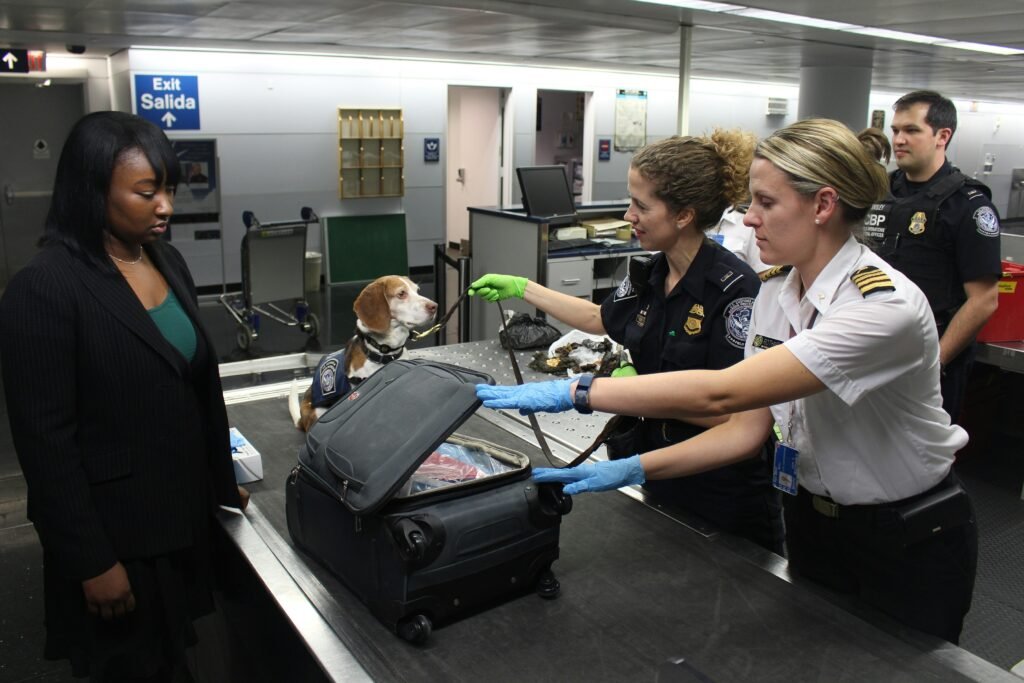
The operational impact is most visible at airport security checkpoints, where reduced staffing levels have led to longer screening times, particularly during peak travel periods. These delays are not isolated incidents but part of a broader pattern seen during funding disruptions. Past shutdowns have shown that even small reductions in workforce availability can trigger cascading effects across airline schedules, leading to missed connections, flight delays, and increased pressure on airport infrastructure.
Beyond airport operations, the shutdown is affecting other critical responsibilities managed by the Department of Homeland Security. Border security personnel are operating under increased workloads with limited administrative support, while cybersecurity monitoring systems continue to function under resource constraints. Emergency response coordination, which depends on seamless communication across agencies, is also facing operational challenges that could affect responsiveness during crises.
The economic implications are becoming increasingly evident. When government workers experience delays in pay, their reduced spending can directly impact local businesses, particularly in regions where federal employment plays a significant role. This decline in consumer activity can ripple through local economies, affecting small businesses, service providers, and contractors who depend on steady economic circulation.
The shutdown also raises broader concerns about workforce stability. Extended periods of uncertainty may discourage skilled professionals from remaining in public service, especially in highly specialized areas such as intelligence and cybersecurity. Over time, this could create recruitment challenges and weaken institutional capacity, particularly if experienced workers seek more stable opportunities in the private sector.
Public confidence in essential government services is another critical factor. Systems such as airport security and emergency response are expected to operate reliably regardless of political conditions. When these services begin to show signs of strain, even at reduced levels, it can influence public perception and raise questions about long-term institutional resilience.
According to The Guardian, political divisions surrounding the shutdown remain deeply entrenched, with both sides continuing to disagree over funding priorities and policy direction. The lack of progress in negotiations reflects broader challenges in achieving bipartisan consensus on complex national security and immigration issues.
From a structural perspective, the situation exposes vulnerabilities in the federal budgeting process. Repeated funding disputes highlight the absence of mechanisms that ensure continuity of critical services during political deadlock. Policymakers may face increasing pressure to explore solutions such as automatic funding extensions or contingency frameworks designed to prevent operational disruptions in essential sectors.
From a national security standpoint, prolonged reliance on contingency measures is not sustainable. Agencies responsible for border protection, threat monitoring, and emergency coordination require consistent resources to maintain effectiveness. Extended disruptions can gradually reduce efficiency and increase the risk of gaps in security coverage, particularly in high-demand operational environments.
Looking ahead, the outcome of the current shutdown may shape how future funding conflicts are managed. If the situation continues without resolution, pressure is likely to build on lawmakers to reach a compromise, not only to restore normal operations but also to prevent further economic and institutional strain. The longer the shutdown persists, the more complex its consequences may become.
Ultimately, the record DHS shutdown illustrates how interconnected government systems are with daily life in the United States. From airport security to local economic activity, the effects extend far beyond federal agencies. If unresolved, the disruption could deepen its impact on both public services and public confidence, underscoring the importance of stable governance in maintaining national infrastructure.
For more updates, visit our latest USA news coverage.