
How It Started
WASHINGTON April 16 2026 US Inflation Remains Stubborn at 3 Percent as Fed Signals Prolonged High Interest Rates and the message coming from policymakers is becoming increasingly clear the fight against inflation is not over yet and Americans may need to prepare for a longer period of higher borrowing costs and continued pressure on everyday expenses.
The latest signal comes from Federal Reserve Bank of St Louis President Alberto Musalem who recently stated that US inflation 2026 is likely to remain close to 3 percent due to persistent pressures driven largely by rising oil prices and broader supply factors. According to a detailed report by Reuters policymakers are now preparing for a scenario where inflation does not fall quickly back to the Federal Reserve target of 2 percent which complicates the timeline for any potential rate cuts.
At its core inflation refers to how quickly prices rise across the economy and while a 3 percent rate may seem manageable compared to previous spikes it still indicates that price pressures remain stronger than what policymakers consider stable. The Federal Reserve target of 2 percent is designed to balance economic growth with price stability but staying above that level for a prolonged period suggests that deeper structural factors are at play.
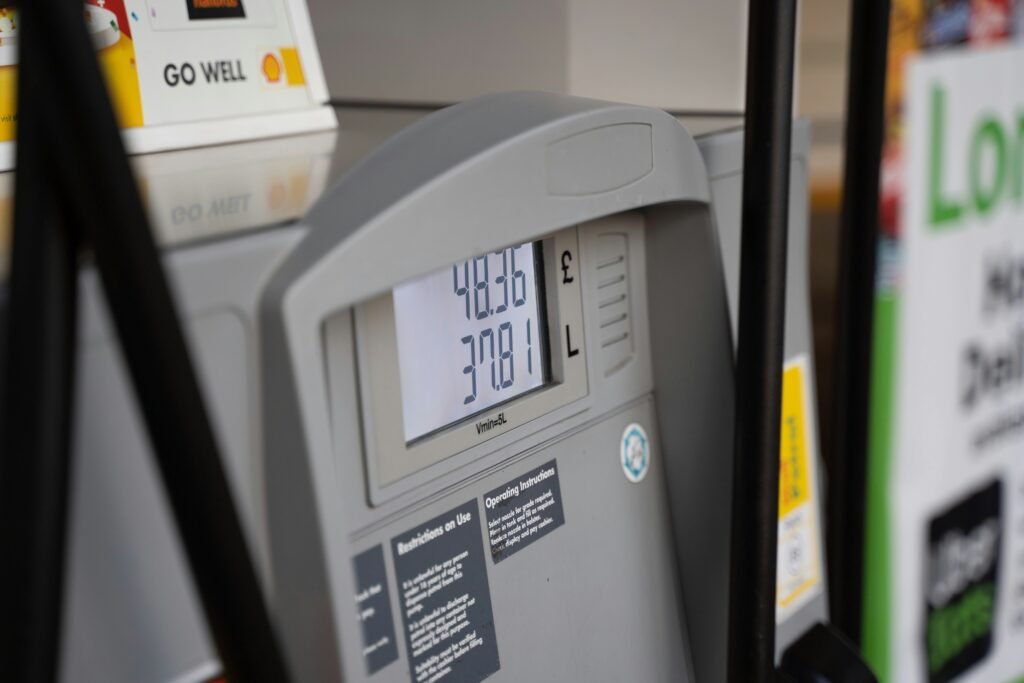
One of the most significant drivers behind this situation is the surge in oil prices. Energy costs play a central role in the economy because they affect transportation manufacturing and supply chains. When oil becomes more expensive it increases the cost of moving goods which then raises prices for consumers. This effect is not limited to fuel costs but spreads into food prices retail goods and services. Musalem highlighted that this kind of broad based inflation makes it harder for the Federal Reserve to bring prices down quickly.
Another contributing factor is the resilience of the labor market. While strong job growth and rising wages are generally positive signs they can also contribute to inflation when businesses pass higher labor costs onto consumers. In addition housing costs which represent a major component of inflation have not declined significantly adding further pressure to overall price levels.
How It Unfolded
Because of these combined pressures the Federal Reserve is signaling a clear shift in its policy approach. Instead of preparing for rate cuts as many had expected earlier in the year policymakers are now indicating that interest rates may need to remain elevated for a longer period. Current rates are already in the range of approximately 3.5 to 3.75 percent and officials appear willing to maintain this level until there is clear evidence that inflation is moving closer to the 2 percent target.
This shift has important implications for the broader economy. Higher interest rates are designed to slow down spending and borrowing which helps reduce inflation but they also make it more expensive for individuals and businesses to access credit. For households this means higher mortgage rates increased costs for car loans and rising credit card interest payments. For businesses it means higher financing costs which can slow expansion hiring and investment.
The ripple effects of these policies are already visible in daily life. Many Americans are finding that even though wages have increased in some sectors their purchasing power has not improved significantly. Grocery bills remain elevated fuel prices fluctuate and housing affordability continues to be a major concern. These pressures create a sense of financial strain even in an economy that is still showing signs of resilience.
Beyond individual households the business environment is also adjusting to these conditions. Companies are becoming more cautious about expansion plans and are focusing on cost control to maintain profitability. Sectors that rely heavily on borrowing such as real estate and construction are facing additional challenges while industries that benefit from higher interest rates such as banking may see some advantages.
Financial markets are also reacting to the Federal Reserve signals. Investors closely watch interest rate guidance because it influences stock valuations bond yields and overall market sentiment. When rates are expected to stay high for longer it can lead to volatility as investors reassess their expectations. Growth oriented sectors may face pressure while more stable sectors may attract increased attention.
Who Wins, Who Loses
In another economic update highlighted by Yahoo Finance analysts emphasized that the Federal Reserve is taking a cautious wait and watch approach closely monitoring inflation data employment trends and consumer spending patterns before making any major policy adjustments.
The broader economic outlook suggests that growth may slow slightly under these conditions. Estimates indicate that US economic growth could remain in the range of 1.5 to 2 percent reflecting the combined impact of higher borrowing costs and more cautious spending behavior. While this does not necessarily indicate a downturn it does point to a period of slower expansion compared to previous years.
Historical comparisons show that controlling inflation often requires sustained policy effort. In past periods when inflation remained elevated central banks had to keep interest rates high for extended periods before seeing meaningful declines. While the current situation is less severe it still highlights the challenge of balancing inflation control with economic growth.
Another key uncertainty is how external factors may influence inflation in the coming months. If oil prices stabilize or decline it could help ease some of the pressure on inflation. However if supply disruptions continue or energy costs rise further inflation could remain elevated for longer than expected. Additional insights reported by InvestingLive suggest that policymakers are closely monitoring these risks as part of their decision making process.
The Federal Reserve now faces a delicate balancing act. Keeping interest rates high for too long could slow economic activity more than intended but lowering them too early could allow inflation to rise again. This is why officials are emphasizing a data driven approach making decisions based on real time economic indicators rather than fixed timelines.
What To Watch For
For consumers this environment requires careful financial planning. Managing debt avoiding unnecessary borrowing and prioritizing essential spending can help reduce the impact of higher interest rates. While inflation at 3 percent may not seem extreme its persistence means that its effects accumulate over time gradually reducing purchasing power.
For businesses strategic planning becomes even more important. Companies may need to focus on efficiency cost management and pricing strategies to navigate the current environment. Investment decisions may also be delayed until there is greater clarity on the direction of interest rates and inflation.
Looking ahead the next phase of economic policy will depend heavily on incoming data. Inflation reports employment figures and consumer spending trends will all play a role in shaping Federal Reserve decisions. If inflation begins to move closer to the 2 percent target policymakers may consider easing rates. However if it remains near 3 percent or rises further the current stance of prolonged high interest rates is likely to continue.
This situation also has a broader political dimension as economic conditions often influence policy debates and public sentiment. Decisions around interest rates inflation and economic growth can shape discussions around fiscal policy government spending and broader economic strategy.
In simple terms the current message from the Federal Reserve is clear inflation is still above target and the path back to stability may take longer than expected. This means that both individuals and businesses will need to adapt to a period of higher costs and more cautious economic conditions.
For more updates on US economic policy and political developments you can visit USABlaze Politics Section
Why This Matters
The political math behind US Inflation Remains Stubborn at 3 matters more than the policy itself. Energy market pressure is now a 2026 election issue, whether anyone admits it or not.
USABlaze Takeaway
We’ll keep tracking how US Inflation Remains Stubborn at 3 develops, the next round of details usually arrives within 2-3 weeks. If you want our take when that happens, check back here first.
Reported and analyzed by the USABlaze editorial team. Last updated 2026-04-16. Have a tip or correction? Send us a message or read our editorial policy.