
Background
SAN FRANCISCO, March 19, 2026
The Iran war global economic impact 2026 is becoming increasingly visible across global financial markets, as rising oil prices, inflation pressures, and geopolitical uncertainty continue to drive volatility in stock markets worldwide. Investors are closely monitoring how the conflict is shaping economic trends, with growing concerns over supply disruptions and long-term economic stability.
The most immediate effect has been observed in global energy markets, where oil prices surged sharply due to tensions in the Middle East. A significant portion of the world’s oil supply moves through the Strait of Hormuz, making it one of the most critical chokepoints for global energy trade. According to Reuters, rising oil prices are increasing inflation risks, placing additional pressure on both developed and emerging economies.
Oil prices crossing the $100 per barrel mark during peak tensions have triggered a chain reaction across financial markets. Higher energy costs directly impact transportation, manufacturing, and logistics sectors, leading to increased production costs. Businesses often pass these costs on to consumers, resulting in rising prices for goods and services. This has created uncertainty among investors, contributing to stock market fluctuations across major global indices.
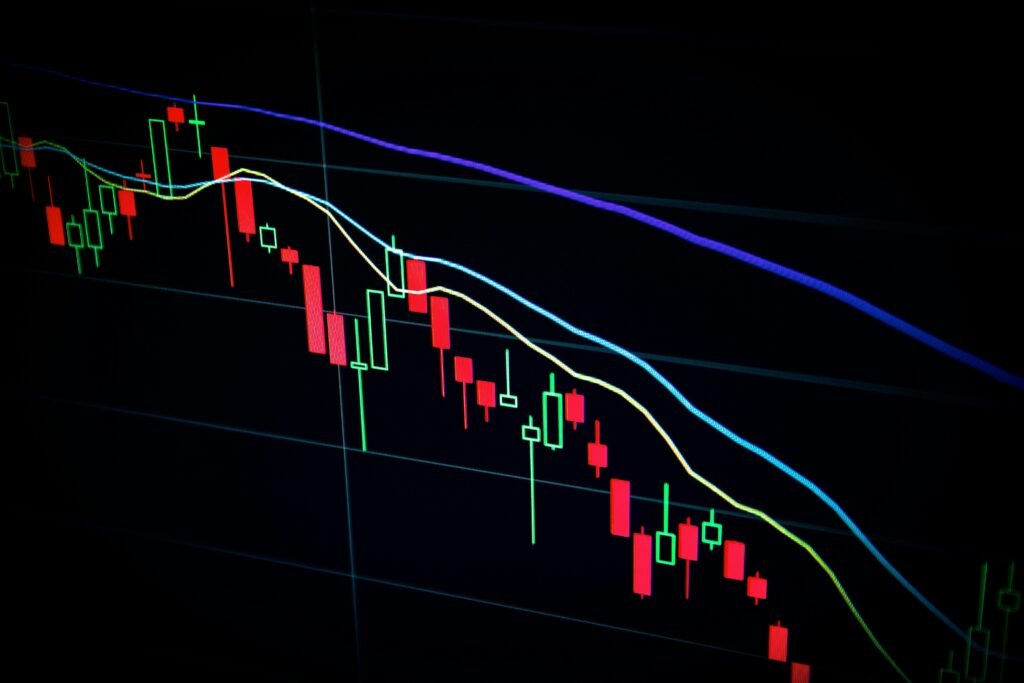
Global stock markets have responded with noticeable volatility, as investors shift toward safer assets amid geopolitical uncertainty. Markets in the United States, Europe, and Asia have experienced both sharp declines and partial recoveries, depending on developments in the conflict. The relationship between oil prices and stock market performance has become increasingly clear, with energy shocks influencing investor sentiment.
On The Ground
In the United States, market behavior reflects a mix of caution and resilience. While energy companies have benefited from rising oil prices, broader indices remain sensitive to geopolitical developments and inflation concerns. According to World Economic Forum, prolonged geopolitical tensions could slow global economic growth, affecting financial markets and investment patterns.
The Iran war global economic impact 2026 extends beyond stock markets and energy prices, influencing multiple sectors of the global economy. Insights from Al Jazeera highlight disruptions in global travel and aviation, where flight routes have been altered and operational costs have increased. These challenges affect tourism, business travel, and international trade, further adding to economic uncertainty.
Another major concern is inflation, which continues to rise as energy prices increase. Higher fuel costs raise transportation expenses, which in turn push up the prices of everyday goods. This reduces consumer purchasing power and slows economic growth. Central banks now face the challenge of controlling inflation without triggering a slowdown in economic activity.
In addition to inflation, currency markets have also reacted to the ongoing conflict. Several emerging market currencies have weakened against the US dollar as investors move capital toward safer assets. This shift increases borrowing costs for developing economies and adds further pressure on their financial systems. Currency instability often amplifies the economic impact of global conflicts, making recovery more difficult.
Global supply chains are also experiencing disruptions due to the conflict. Shipping routes have been affected, insurance costs have increased, and logistical challenges are becoming more common. These issues impact industries worldwide, from manufacturing to retail, leading to delays and increased operational costs. Businesses are adjusting their strategies to manage these challenges while maintaining profitability.
Who Wins, Who Loses
The Iran war global economic impact 2026 is being felt differently across regions. Oil-importing countries are facing increased economic pressure due to higher energy costs, while oil-exporting nations may benefit from higher prices in the short term. However, the overall impact remains uncertain, as geopolitical risks continue to influence market stability.
Food prices are also expected to rise as a result of higher fuel costs and supply chain disruptions. Agricultural production and transportation depend heavily on energy, meaning that increases in oil prices can lead to higher food prices globally. This adds another layer of pressure on consumers and economies already dealing with inflation.
Another important dimension of the crisis is investor behavior. During periods of uncertainty, investors tend to shift their portfolios toward safer assets such as gold, government bonds, and stable currencies. This movement reduces liquidity in equity markets and can lead to sharper declines in stock prices. The current situation reflects this pattern, with global markets experiencing increased volatility.
Central banks are now under pressure to respond carefully to evolving economic conditions. If inflation continues to rise due to energy costs, policymakers may delay easing measures or maintain higher interest rates for longer periods. This could impact borrowing, investment, and consumer spending, further influencing economic growth and stock market performance.
Corporate earnings are also likely to be affected as companies face rising input costs and uncertain demand conditions. Energy-intensive industries such as transportation, logistics, and manufacturing are particularly vulnerable. Lower profit expectations can lead to reduced investor confidence, which often translates into declining stock valuations.
What Happens Next
Global trade flows are also being reshaped by the ongoing conflict. Businesses are reassessing supply chain strategies and exploring alternative sourcing options to reduce dependency on high-risk regions. While these adjustments may improve resilience in the long term, they can increase short-term costs and contribute to economic uncertainty.
The broader significance of these developments lies in the interconnected nature of the global economy. Energy markets, financial systems, and international trade are closely linked, meaning disruptions in one area can quickly affect others. The ongoing conflict demonstrates how geopolitical events can have widespread economic consequences.
Looking ahead, the direction of global markets will depend largely on how the situation evolves. Continued tensions could lead to further volatility, while any signs of de-escalation may help stabilize markets and restore investor confidence. Governments and policymakers may also introduce measures to support economic stability during this period of uncertainty.
For now, the Iran war global economic impact 2026 remains a key factor shaping investor sentiment and global economic trends, influencing decisions across industries, markets, and governments worldwide.
For more updates and market analysis, explore our latest stock market news and global financial coverage.
Why This Matters
If you’re holding US equities, Iran War Global Economic Impact 2026 is a reminder that market sentiment can move markets in 24 hours. Position sizing matters more than ever.
USABlaze Takeaway
We’ll keep tracking how Iran War Global Economic Impact 2026 develops, the next round of details usually arrives within 2-3 weeks. If you want our take when that happens, check back here first.
Reported and analyzed by the USABlaze editorial team. Last updated 2026-03-19. Have a tip or correction? Send us a message or read our editorial policy.
Related Stories From USABlaze
- Oil Price Today April 17 Crude Oil Prices Fall Below $100 as Israel Lebanon Ceasefire and Iran Talks Ease Market Fears
- Trump’s 48 Hour Iran Countdown Ignites Oil Spike and Global Market Turmoil
- Strait of Hormuz Crisis: Iran Allows Two Indian Gas Tankers to Sail Through Key Global Oil Route
- Stock Market Today May 13 2026: Why PPI Inflation Spiked 6%