
Setting The Stage
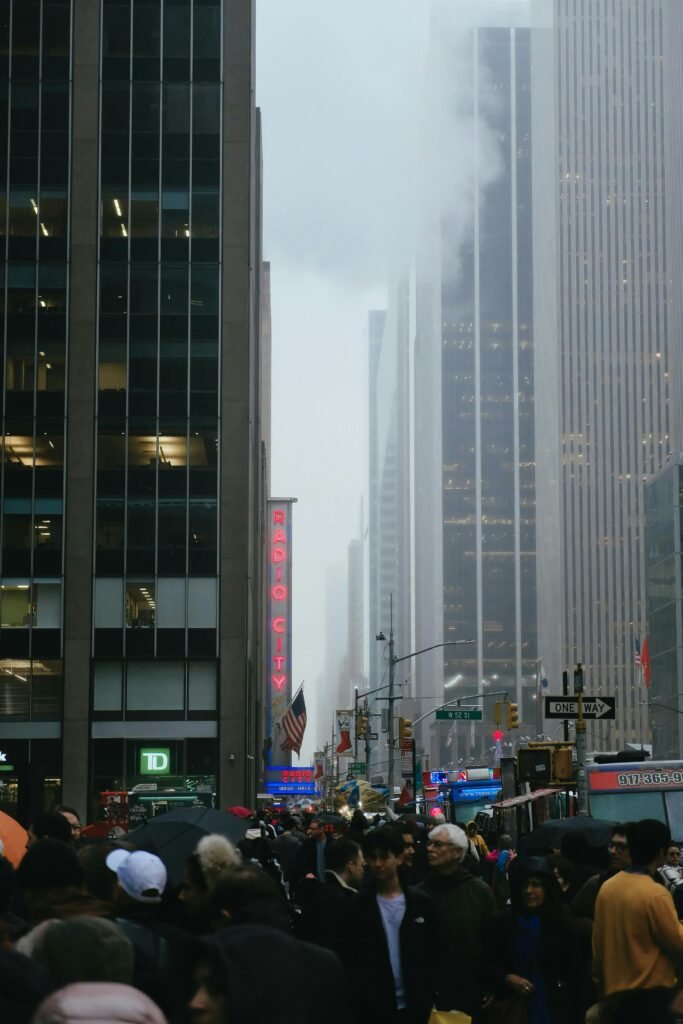
New York Air Quality reached unhealthy levels on Wednesday, February 18, 2026, as the skyline of Manhattan was partially hidden behind a thick grey haze. Local officials issued a formal air quality alert for the entire metropolitan area as the Air Quality Index (AQI) surged to 139 today. While the city usually enjoys clear horizons, this sudden drop in air quality represents a real public safety challenge for millions of people. This change has caught many residents by surprise, moving the region into a category that is unhealthy for sensitive groups.
According to the official reports from the state environmental agency the AQI in New York City reached 139 on Wednesday morning. This reading puts the city in the orange category which means the air is unhealthy for sensitive groups like children and older adults. For the readers of USABlaze this development is a reminder that urban air can turn sour very quickly even without a major fire. The main pollutant today is fine particulate matter or PM2.5. These tiny particles are small enough to enter deep into the lungs and cause immediate irritation for anyone spending time outside.
The First Critical Reason for the Poor Air Today
The first major reason for this air alert is the presence of very stagnant air and light winds across the region. To keep the air clean New York depends on a steady breeze to blow car exhaust and smoke out toward the Atlantic Ocean. However on this Wednesday the wind has almost completely stopped. This has prevented the usual mixing of the atmosphere and has allowed pollution to pile up at the street level. When the air stops moving the emissions from millions of cars and buildings have nowhere to go and they stay trapped exactly where people are breathing.
This lack of wind is the primary reason why the AQI has crossed the 100 mark today. While the city is not producing more smoke than usual the environment is no longer able to clean itself. This is a common problem for large cities when the weather turns quiet. Public safety officials are watching the monitors closely but as long as the winds stay light the pollution will remain high. This is a classic case of how the weather can turn a normal day into a health alert for a major metropolitan area.
The Specifics
How New York Ranks on the Global Stage
While the air in New York is poor today it is helpful to look at the global rankings to see the full picture. Currently New York City is ranked approximately eleventh among the most polluted major cities in the world. While it is not firmly in the top ten it is still a very high ranking for an American city. This puts NYC in a similar category to some of the larger industrial cities in Asia and the Middle East today. The fact that New York is even appearing in the top fifteen list is a sign of how significant this current air event has become.
Other regions near the city including Westchester and parts of New Jersey are also seeing these unhealthy readings. This shows that the problem is not just in Manhattan but is a regional issue caused by the quiet weather. For a news site like USABlaze tracking these rankings is important for our readers. It helps people understand how their local environment compares to the rest of the world. Even if we are not at the very top of the list the air is still dangerous for those with breathing problems.
The Second Reason Involves Morning Traffic Spikes
The second reason for the unhealthy air today is the high volume of traffic during the morning hours. Because the air is so still the exhaust from thousands of trucks and cars has stayed trapped in the city streets. This has created hotspots of pollution in high density areas like Midtown and near the major bridges. Data shows that PM2.5 levels in these zones are much higher than the average for the rest of the city. This makes those areas particularly risky for people who commute on foot or spend their day working outside.
Who Wins, Who Loses
Even though many schools are away for the Midwinter Recess the commercial traffic in the city remains very busy. Delivery trucks and service vehicles are still moving throughout the five boroughs. Their diesel engines are a major source of the fine particles that are causing the alert today. Without any wind to clear the streets these emissions are settling in the narrow gaps between the tall buildings. This creates a toxic mix that persists for hours until the sun goes down or the wind picks up.
The Third Reason is the Impact of Building Emissions
The third factor contributing to the 2026 air alert is the ongoing use of heating systems across the city building stock. February is still a cold month in New York and the boilers in residential and office buildings are a major source of smoke. While new rules have helped reduce the use of dirty oils many buildings still emit a lot of particulate matter when they are running at full power. This building smoke is a constant factor that becomes a huge problem when the weather stays stagnant like it is today.
The combination of building heat and vehicle exhaust has created a perfect storm for poor air quality. This is a common issue during the winter but it is very noticeable today because the sky looks bright. Many residents are surprised to see a health alert on a day that does not look like a wildfire day. This is because fine particulate matter can be invisible to the eye even when it is at levels that are harmful. It is a hidden danger that requires constant monitoring to keep the public safe.
What Residents Should Do to Stay Safe
The Road From Here
Public health officials are telling New Yorkers to take simple precautions until the air clears up. For those in sensitive groups it is best to limit heavy outdoor exercise and keep windows closed. While many children are home for the break parents should still keep them inside if the air looks hazy. Using a high quality air purifier can also help keep the air inside your home clean. These small steps can make a big difference in how your body reacts to the smoke today.
For healthy adults the current air might cause a scratchy throat or some coughing. It is a good day to take the subway instead of driving a car to help keep the air from getting even worse. Every little bit of emission we can save helps the city return to a safe level faster. USABlaze will continue to watch the official data and bring you updates as the wind patterns change. We expect the air quality to improve later in the week as a new weather front moves into the area.
The Future of Urban Air Management
This event shows why we need more investment in technology and national development. By using real time sensors and smart data the city can warn the public before the air gets dangerous. The goal for a modern city like New York is to make these alerts a thing of the past. As we move through 2026 the lessons from today will help create better policies for the future. Protecting the air we breathe is a shared task that involves every person in the city.
Stay tuned to USABlaze for the latest news on public safety and the factors that change our environment. We are dedicated to bringing you the authentic facts as they happen so you can protect your health. The air is a critical part of our world and keeping it clean remains a top priority for everyone. We will be here to report the truth and keep you informed about the world around you.
Why This Matters
USABlaze Takeaway
We’ll keep tracking how New York Air Quality Alert 2026 develops, the next round of details usually arrives within 2-3 weeks. If you want our take when that happens, check back here first.
Reported and analyzed by the USABlaze editorial team. Last updated 2026-02-18. Have a tip or correction? Send us a message or read our editorial policy.