
How It Started
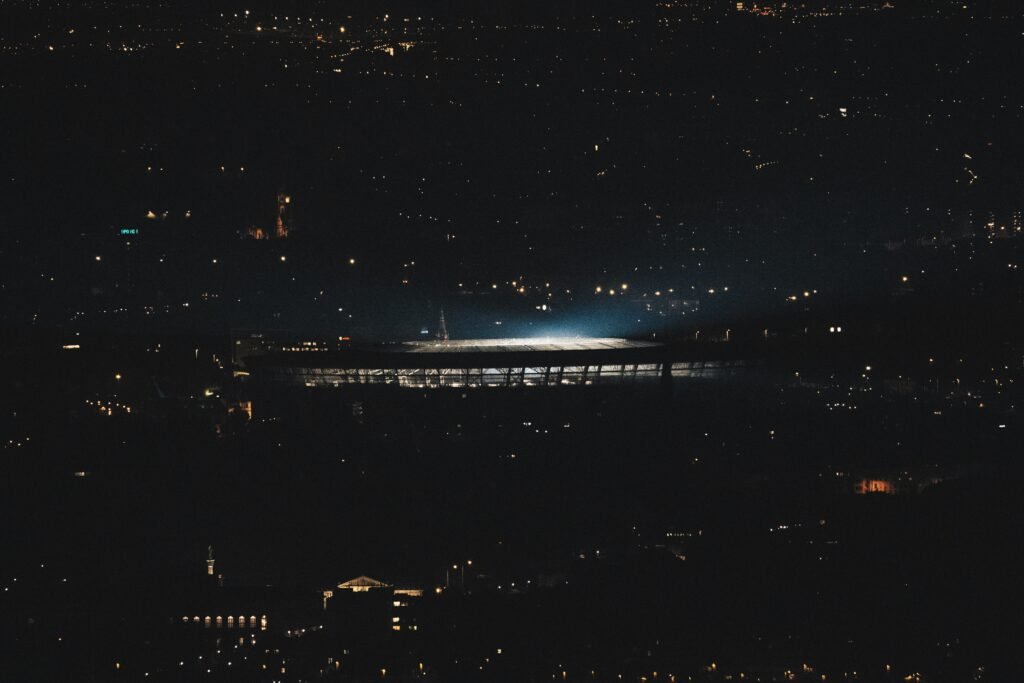
SANTA CLARA The confetti has barely settled at Levi’s Stadium but the real story of Super Bowl LX isn’t the Seattle Seahawks decisive 29 to 13 win over New England. It is the money. While fans were watching touchdowns Wall Street was watching a different kind of scoreboard and the numbers are staggering.
Sunday night became the single most expensive four hours in the history of American media. For the first time a thirty second spot didn’t just break records it shattered them. The average price tag climbed past eight million dollars with prime slots reportedly hitting nearly ten million according to data from the AdAge Super Bowl Archive. And that is just to buy the time. Add in production costs celebrity fees and the visual effects budgets and corporate America burned through half a billion dollars before the game even ended.
Why does the price keep climbing In an economy where inflation is the headline every other day dropping eight million dollars for thirty seconds of airtime sounds insane. But it makes perfect sense when you look at the landscape. Attention is scarce.
A decade ago you could buy ads on American Idol or The Voice and hit twenty million people easy. That world is dead. Streaming killed it. Audiences are fractured into a million tiny slivers watching what they want when they want usually without ads. The Super Bowl is the last dinosaur standing. It is the only place left where you can stand in front of one hundred million people at the exact same moment.
Reading The Tea Leaves
Brands aren’t paying for the airtime anymore. They are paying for the eyeballs. In an era of doom scrolling and second screens the Super Bowl forces people to look up. That kind of undivided attention is the most expensive commodity on earth and 2026 was the year the price finally went astronomical.
This year will be remembered as the AI Bowl. Artificial Intelligence stopped being a buzzword and started being the show. The commercial breaks were dominated by tech giants using the biggest stage on earth to take shots at each other.
Anthropic reportedly dropped millions on a spot that went straight for OpenAI’s throat. Their commercial for Claude featured a gym goer asking for workout advice only to be served a protein powder ad by a robot. It was a direct hit at OpenAI’s recent move to put ads in ChatGPT. The reaction online was instant and mixed. Some people loved the boldness others found the AI generated faces a little uncanny valley. But that was the point.
For advertisers the goal wasn’t a pretty picture. It was an argument. They wanted people talking and they got it. The fight between Claude and ChatGPT during the commercial breaks was just as heated as the one on the field. It proved that the AI arms race has officially moved out of Silicon Valley and into the living rooms of regular Americans a shift tracked closely by TechCrunch AI.
After sitting on the sidelines for a few years the car companies came back swinging. But the message has changed. This wasn’t about horsepower or leather seats. It was about the future.
The Real-World Fallout
With federal regulations on self driving cars changing fast manufacturers are scrambling to grab territory. The first quarter felt like a tech demo. You had legacy American brands fighting tooth and nail against international rivals. Toyota pushed a heavy emotional angle with their RAV4 safety campaign while Cadillac went the other way using their expensive seconds to show off their new Formula 1 team livery instead of a specific model.
This spending spree tells us something important about the economy. You don’t drop ten million dollars on a product launch unless you think people have money to spend. It is a massive vote of confidence. Despite all the mixed signals economists have been reading the auto industry is betting big that the American consumer is ready to buy.
It wouldn’t be a 2026 event without a tech failure. The broadcast on NBC cable was fine but if you were watching on Peacock on the East Coast you probably missed a few plays in the second quarter. Reports of buffering and lag flooded social media.
This is a nightmare for advertisers. Imagine paying record rates to reach an audience and half of them are staring at a spinning loading circle. It is becoming a serious business problem. As the NFL pushes more games onto streaming platforms the tech has to work. Advertisers are starting to ask tough questions. If the server crashes do I get my money back It is a legal gray area that lawyers are going to be fighting over for weeks.
What Happens Next
Still the streaming numbers are going to be huge. The ability to watch the game on a phone means millions of younger viewers tuned in who don’t even own a TV. It expands the reach even if the connection is a little shaky.
So was it worth it Does spending ten million dollars actually sell ten million dollars worth of beer or software Probably not directly. But the math isn’t that simple.
For giants like Pepsi or Doritos it is a defensive move. They have to be there to stop someone else from taking their spot. But for the crypto companies and the AI startups it is about legitimacy. Buying a Super Bowl ad is a way of telling the world We are real. We have money. You can trust us.
The 2026 Super Bowl proved that the TV commercial isn’t dead it has just become a luxury good. It is the Louis Vuitton of marketing. Expensive exclusive and loud. As long as Americans treat this game like a national holiday the price will keep going up. We might look back at the eight million dollar price tag of 2026 and think it was cheap.
For now the marketing execs can sleep. The check has cleared. The game is over but the real competition analyzing who actually won the night is just starting. The only clear winner is the network. NBC proved they still hold the keys to the only kingdom that matters mass attention. And they charged a king’s ransom for it.
Why This Matters
Why Super Bowl 2026 Was The reflects how market sentiment is reshaping life in the US, beyond what shows up in Washington headlines. Expect ripple effects from coast to coast.
USABlaze Takeaway
Bottom line for our readers: Why Super Bowl 2026 Was The is worth watching, not panicking over. We’ll update this page as new facts land.
Reported and analyzed by the USABlaze editorial team. Last updated 2026-02-09. Have a tip or correction? Send us a message or read our editorial policy.
Related Stories From USABlaze
- Bad Bunny Ready To Shock The World With Record Breaking 15 Million Dollar Super Bowl Halftime Show
- Nvidias $78 Billion Test: Why Wednesday Night Decides the AI Trade
- DNC in Crisis? The $172 Million Nightmare Keeping Democrats Awake at Night
- Alan Greenspan, the Man Who Ran Americas Money for 18 Years, Died at 100